
What is an
Insulated Glass Unit?
A complete guide to how IGUs work, how they're made, and why they're the gold standard for energy-efficient windows.
The Basics
Two (or Three) Panes.
One Sealed Unit.
An Insulated Glass Unit — commonly called an IGU or "double pane" window — is an assembly of two or more glass panes sealed together with a gap between them. That gap is filled with an insulating gas (usually argon) and separated by a spacer bar packed with moisture-absorbing desiccant.
Unlike a single pane of glass that conducts heat freely, the sealed gas cavity in an IGU acts as a thermal barrier — slowing the transfer of heat from warm to cold. The result is a window that keeps your home warmer in winter, cooler in summer, and dramatically quieter year-round.
IGUs are used in virtually every modern residential window, exterior door, commercial curtain wall, and storefront system where energy performance and comfort are required.
Cross-Section Diagram
Outer
Pane
Butyl
Seal
DESICCANT
Spacer
Bar
ARGON
Gas Fill
½" – 1" gap
Gas
Cavity
Inner
Pane
Secondary Silicone Seal
Why It Matters
The Benefits of IGUs
Up to 50%
Heat Loss Reduction
Thermal Insulation
IGUs can reduce heat loss by up to 50% compared to single-pane glass, significantly lowering heating and cooling costs year-round.
30–45 dB
Noise Reduction
Sound Reduction
The sealed air or gas gap between panes acts as an acoustic barrier, reducing exterior noise transmission for quieter interiors.
25+ Years
Expected Lifespan
Condensation Control
The desiccant spacer absorbs internal moisture, eliminating condensation between the panes that would otherwise fog the glass permanently.
Code Ready
Ontario Building Code
Energy Star Rated
IGUs with Low-E coatings and argon fill meet Energy Star requirements, qualifying for rebates and meeting modern building code standards.
How It's Made
The Manufacturing Process
From raw glass to a finished, sealed unit — a step-by-step look at how IGUs are built.
Glass Cutting
Individual glass panes are precisely cut to the required dimensions using automated CNC cutting tables for accuracy down to fractions of a millimeter.
Each glass lite is cut from large stock sheets. The cutting process uses diamond-tipped wheels guided by computer-controlled machines, ensuring clean, precise edges with zero deviation.
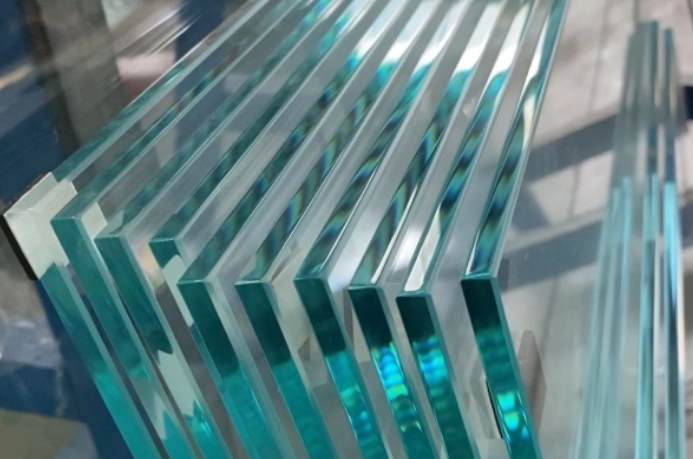
Glass Washing
Panes are run through industrial washing machines that remove all debris, fingerprints, oils, and particles — critical for a clean seal.
Contamination is the #1 enemy of IGU longevity. Industrial glass washers use rotating brushes, de-ionized water, and heated drying chambers to leave each pane spotlessly clean before assembly.
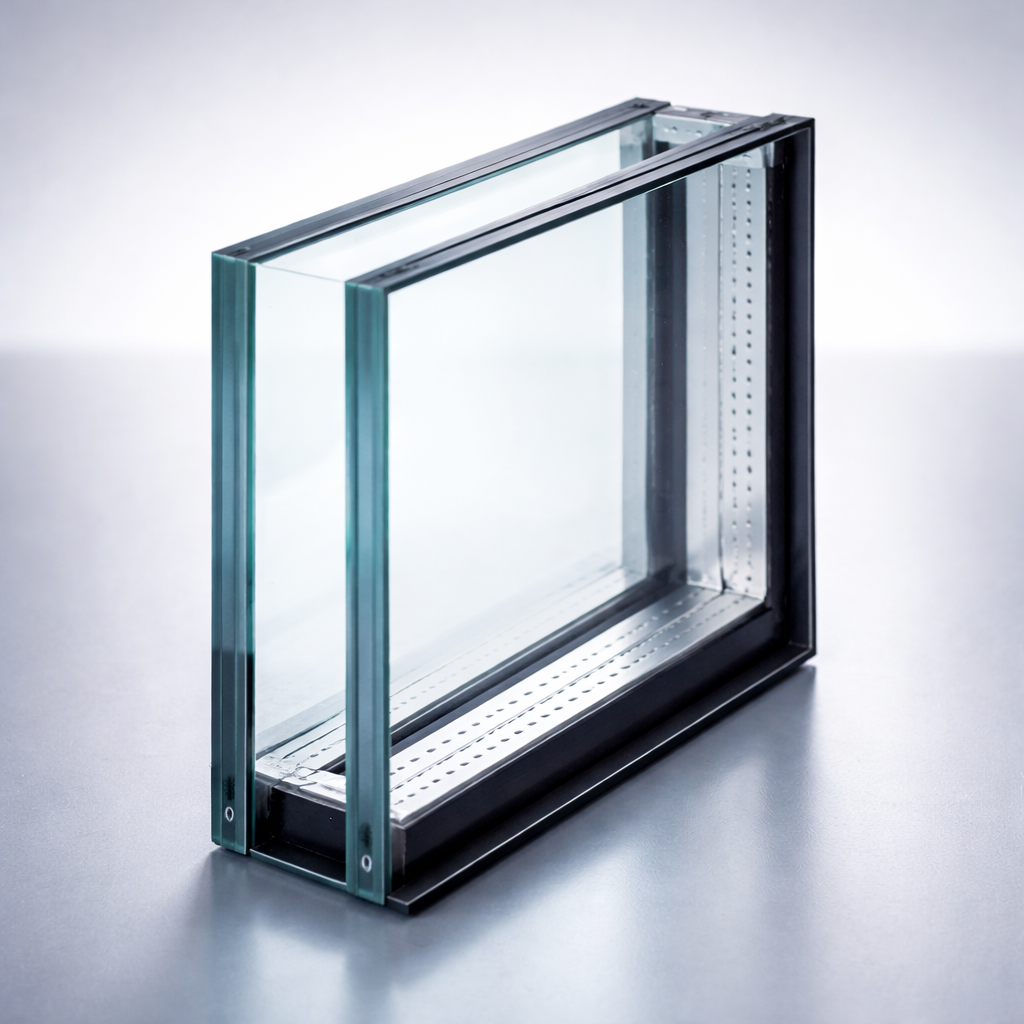
Spacer Assembly
A hollow aluminum or "warm edge" spacer bar is sized and bent to match the perimeter of the glass. It is filled with molecular sieve desiccant.
The spacer is the structural backbone of the IGU. Desiccant inside the spacer absorbs any residual moisture trapped during assembly, preventing internal condensation for the life of the unit.
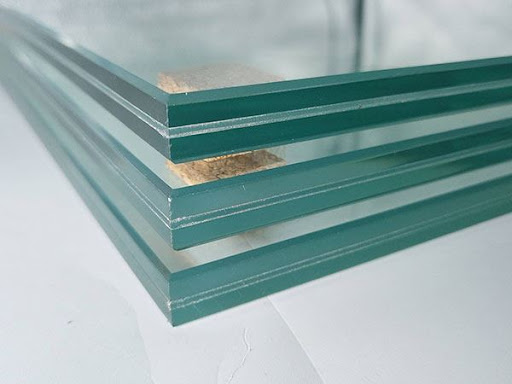
Primary Seal (Butyl)
Hot polyisobutylene (PIB) butyl rubber is applied to both sides of the spacer, creating a gas-tight primary seal that prevents argon from escaping.
Butyl is the most gas-impermeable sealant available, making it ideal as the primary seal. It bonds the glass to the spacer and provides the initial barrier against gas loss.
Argon Gas Fill
The assembled unit is placed in a gas-filling station where the air gap is purged and replaced with argon gas to a concentration of 90%+.
Argon is an inert, non-toxic noble gas that is denser than air. Its higher density reduces convective heat transfer between the panes, significantly improving the unit's thermal performance (U-value).
Secondary Seal (Silicone)
A secondary silicone or polysulfide sealant is applied around the entire perimeter edge, providing structural strength and moisture resistance.
The secondary seal is the structural element of the IGU. It resists wind load deflection, UV exposure, and temperature cycling. Without it, the glass panes would separate under stress.
Quality Inspection
Each completed unit is inspected for seal integrity, dimensional accuracy, visual defects, and gas concentration before being cleared for shipment.
Quality control includes light-table inspection for visual defects, argon concentration verification, and dimensional checks. Only units that pass all criteria are approved for delivery.
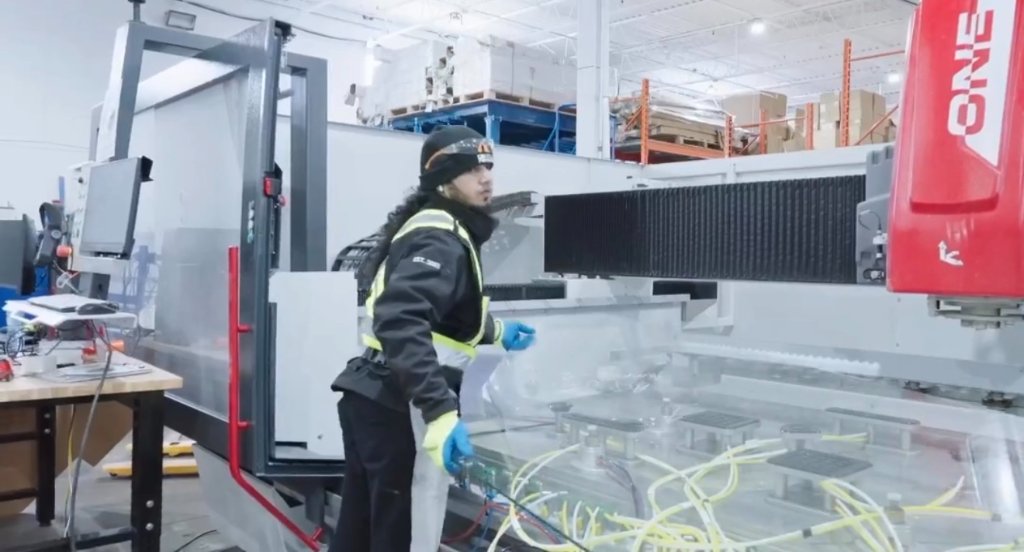
The Finished Unit
After passing quality inspection, the completed IGU is a robust, hermetically sealed assembly that will maintain its thermal and acoustic performance for 20–25+ years when properly installed and maintained.
Common Questions
IGU FAQ
Ready to Order Custom IGUs?
We manufacture double and triple pane insulated glass units to your exact specifications — any size, Low-E coatings, argon fill, and warm edge spacers available.